
Group Therapy and Counseling
Support, connection, and healing in a community
Online group therapy | In-person group therapy
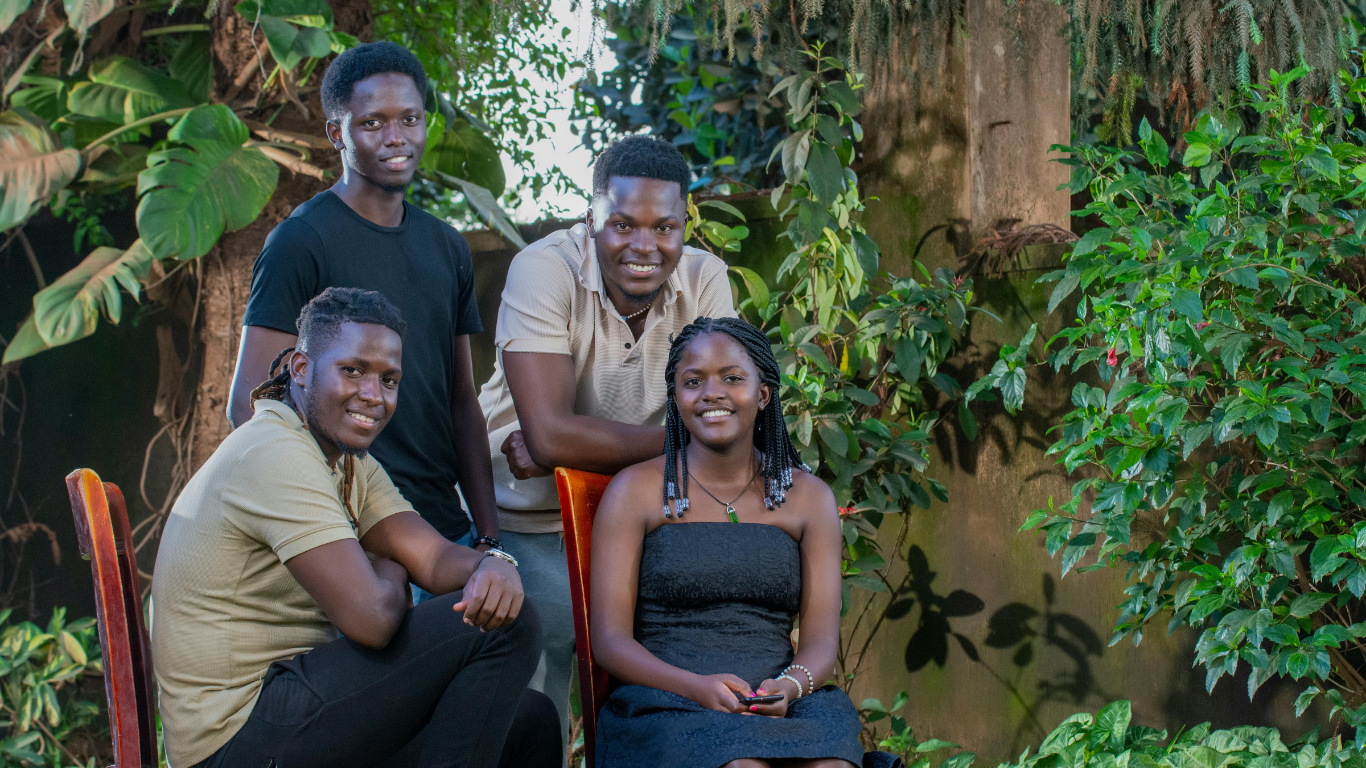
What is group therapy?
While your story is shaped by your circumstances, many of us share experiences, struggles, and challenges that connect us.
Group therapy offers a safe space to be heard, understood, and supported by our expert therapists alongside others who may be navigating similar experiences. This kind of supportive community setting makes healing feel less isolating and more empowering.
Each group therapy session is guided with confidentiality and designed to ensure emotional safety for everyone. The small group of participants meet regularly to work on shared concerns and you are never forced to share before you’re ready.
There’s a unique power in shared experiences that greatly reduces shame and inspires us more on the healing journey.
Issues that group therapy can help with:
- Addiction recovery support
- Trauma recovery support
- Processing grief and loss
- Depression and emotional isolation
- Stress management
- Self-esteem and confidence building
- Anxiety
- Personal growth
- Anger and emotional regulation
- Social connection and belonging
- Relationship challenges
- Major life transitions and spiritual awakening
How group therapy works with Normalize Therapy
Our group therapy sessions are collaborative, empowering, and deeply effective with various shared experiences in our current African society. You remain in control of your participation and personal healing pace, we do not rush you in any way.
In our sessions, you can expect:
- Clear boundaries and confidentiality established by mutual agreement
- A safe, non-judgmental space
- Respectful communication guidelines
- No pressure to disclose personal details
- Practical tools and coping strategies you can use even on your own
- Emotional regulation tools integrated into topic-focused sessions
We offer both in-person group therapy and online group therapy. Our online therapy services ensure accessibility, privacy, and flexibility for family members with busy schedules or in different locations.
**Our therapists are committed to their own healing journey, bringing you both professional insight and genuine lived experience. We’re human too; we understand, we get it, and we’re here to help!
With group therapy, you benefit with:
- Gaining insights on the issue you're dealing with from an expert therapist and from people who've had similar experiences
- Accelerated growth since group therapy allows youto share, learn, receive, and offer support during the healing process
- Increased empathy, connection, and genuine support
- Reduced feelings of isolation on your healing journey
- Improved communication skills
Frequently asked questions
Is group counselling confidential?
Yes. Group counselling sessions follow strict confidentiality guidelines with agreements signed by participants before starting group therapy. Participants are expected to respect each other’s privacy and therapists create a safe and structured environment to protect everyone’s well-being.
How is group counselling different from individual therapy?
While individual therapy focuses on one-on-one support, group counselling provides both professional therapist guidance and peer interaction with people that have similar lived experiences. Group therapy also tends to be cheaper and more affordable. In some cases, people benefit more from combining individual therapy with group counselling for comprehensive support and personal growth.
Do you offer group therapy in Kenya?
Yes, we do offer group therapy sessions in Kenya. Our group therapy sessions in Nairobi and Mombasa can be done in-person while in other towns, online sessions are available. Sessions are focused on a particular common issue and our therapist works with the group to address the shared challenges in a safe, confidential, and structured environment.
What are the benefits of group counselling?
Group counselling provides emotional support, shared learning, and the opportunity to connect with others facing similar experiences. Participants often gain new perspectives, improved communication skills, and reduced feelings of isolation.